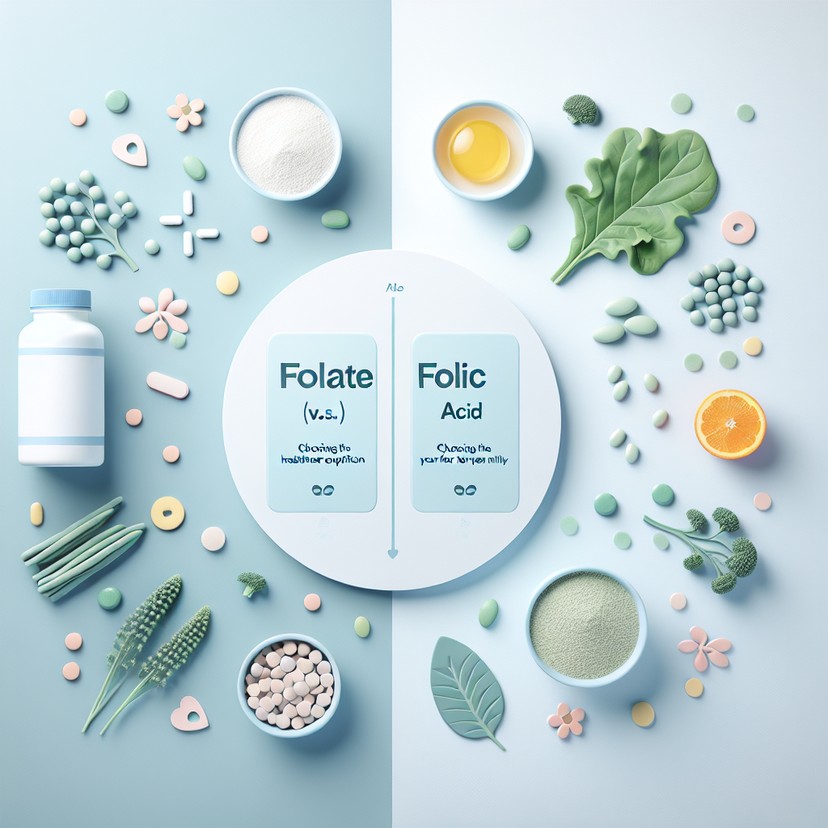
Folate vs. Folic Acid: Choosing the Healthier Option for Your Family
Folate vs. Folic Acid: Choosing the Healthier Option for Your Family
As parents, we want to ensure that our families are receiving the best nutrition possible. One nutrient that often comes up in discussions about health is folate, a B vitamin that plays a crucial role in cell division and overall health. However, many people are confused about the difference between folate and folic acid. Understanding these differences can help you make informed choices for your family's health.
What is Folate?
Folate is the naturally occurring form of vitamin B9 found in many foods. It is essential for several bodily functions, including:
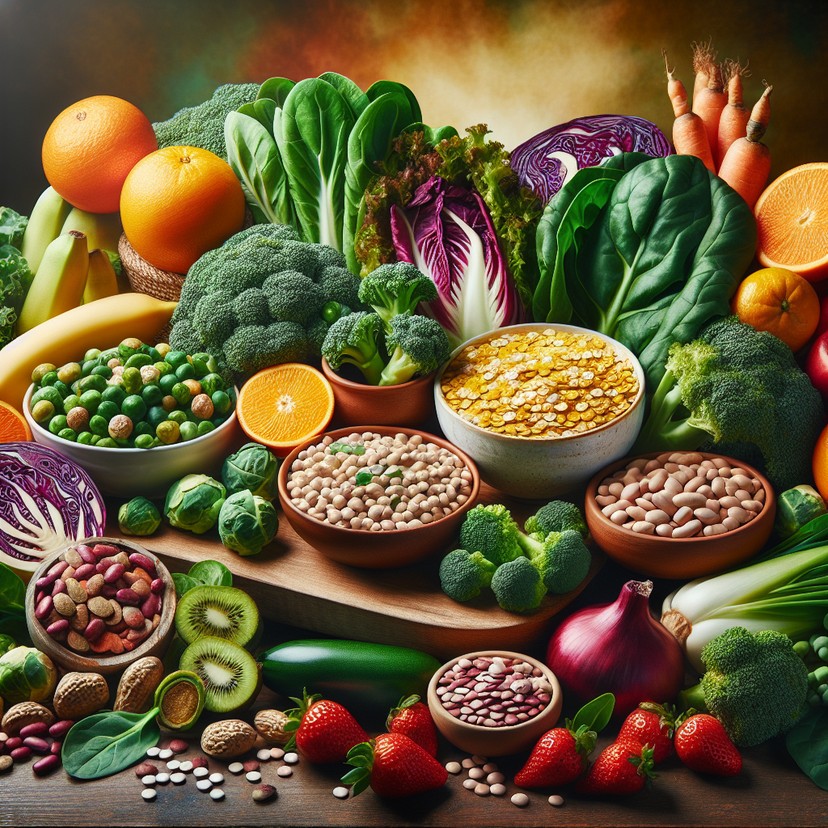
Foods rich in folate include:
According to the National Institutes of Health (NIH), adequate folate intake is particularly important for women of childbearing age, as it can help prevent neural tube defects in developing fetuses.
What is Folic Acid?
Folic acid is the synthetic form of vitamin B9, commonly found in supplements and fortified foods. It is often added to cereals, bread, and other grain products to help prevent deficiencies in the population. While folic acid is effective in raising folate levels in the blood, it is not identical to the natural form.
Here are some key differences between folate and folic acid:
The Mayo Clinic emphasizes the importance of getting nutrients from whole foods whenever possible, as they often provide a balance of vitamins, minerals, and other beneficial compounds.
Why Folate is Better than Folic Acid
While both folate and folic acid are important for health, many experts advocate for the consumption of folate over folic acid for several reasons:
Research indicates that high levels of unmetabolized folic acid can be associated with cognitive decline and other health concerns, particularly in older adults. The body processes folate differently, reducing the risk of these potential issues.
How to Ensure Your Family Gets Enough Folate
To promote optimal health for your family, consider the following strategies:
Consulting with a healthcare professional can help you determine the best approach for your family's specific needs.
Conclusion
Understanding the differences between folate and folic acid is essential for making informed dietary choices for your family. While both forms of vitamin B9 are important, prioritizing folate from natural food sources can offer numerous health benefits and reduce potential risks associated with synthetic folic acid. By focusing on a balanced diet rich in folate, you can help support your family's overall health and well-being.
For more information on folate and its benefits, you can visit the NIH Office of Dietary Supplements and the CDC's Folic Acid page.
Join Our Community 🌟
Get practical methylation & supplement tips, weekly science-backed nutrition insights, and early access to new guides—written for busy parents who want real answers.
No spam. Unsubscribe anytime. 💜
Comments
0 comments
No comments yet. Be the first to share.