The Role of Vitamin B6 in Supporting Mental Clarity
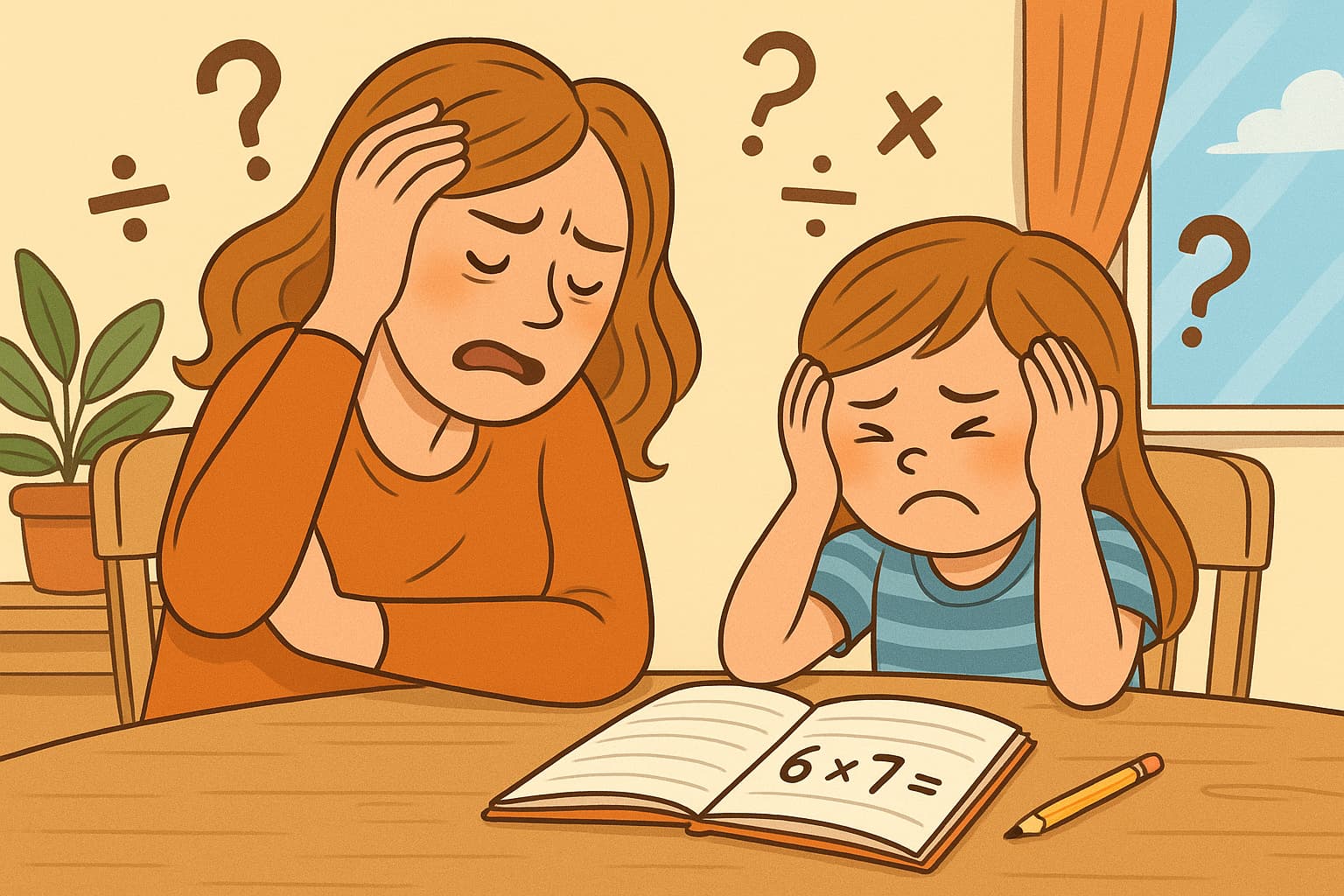
Homework time used to be the most stressful hour of our day. My child wasn’t lazy—her brain was under-fueled. Vitamin B6, especially in its active form pyridoxal-5-phosphate (P5P), became a quiet hero. This cofactor touches more than 100 enzymatic reactions, many of them tied to methylation, neurotransmitter synthesis, blood sugar stability, and stress resilience. When B6 is plentiful, clarity returns; when it’s low, brain fog, irritability, and overwhelm creep in.
B6 and methylation: partners in the sulfur cycle
Vitamin B6 anchors the transsulfuration pathway, the arm of methylation that converts homocysteine into cystathionine and then cysteine. Cysteine feeds glutathione production, our master antioxidant. Without B6, homocysteine accumulates and glutathione production falters, leaving the brain vulnerable to oxidative stress.
B6 also helps create neurotransmitters:
- Converts tryptophan to serotonin and melatonin
- Converts glutamate (excitatory) to GABA (calming)
- Supports dopamine and norepinephrine production from tyrosine
When kids don’t have enough B6, they may feel anxious, wired, or unfocused. Adequate B6 smooths emotional peaks and valleys, supporting calm focus.
Signs your child might need more B6
- Difficulty focusing or staying on task
- Mood swings or increased anxiety
- Restless sleep or insomnia
- Cracked lips or seborrheic dermatitis around nose and mouth
- Numbness or tingling in extremities
- Elevated homocysteine despite folate and B12 support
Some medications (oral contraceptives, certain anti-seizure drugs, isoniazid) increase B6 needs. So does chronic stress, intense athletic training, and diets low in animal protein.
Research snapshot
- Low B6 status has been linked to higher anxiety and impaired cognitive flexibility in adolescents PMCID: PMC6684623.
- B6 supplementation, combined with folate and B12, significantly reduces homocysteine and improves attention scores in pediatric ADHD populations PubMed 30700178.
- P5P levels inversely correlate with inflammation markers, highlighting B6’s role in immune regulation and neuroprotection PMCID: PMC7514049.
Food-first strategies
- Protein-rich breakfasts – Eggs with bell peppers, turkey sausage and spinach, salmon patties, or tofu scramble.
- Legumes and pulses – Chickpeas, lentils, black beans; incorporate into soups, hummus, or tacos.
- Seeds and nuts – Sunflower seeds, pistachios, and walnuts add B6 plus healthy fats.
- Bananas and avocados – Portable, kid-approved sources.
- Whole grains – Oats, brown rice, and quinoa contribute B6 and fiber.
- Animal proteins – Chicken, turkey, pork, and wild fish deliver bioavailable B6 alongside amino acids.
Sample B6-friendly menu
- Breakfast: Sweet potato hash with eggs, spinach, and avocado.
- Snack: Banana with sunflower seed butter.
- Lunch: Lentil and carrot soup with whole-grain crackers.
- Snack: Trail mix of pistachios, pumpkin seeds, dried apricots.
- Dinner: Baked wild salmon, quinoa, roasted Brussels sprouts with garlic.
- Evening: Chamomile tea with honey and a square of dark chocolate (70%).
Supplement considerations
- Look for supplements labeled pyridoxal-5-phosphate (P5P) or “active B6.”
- Typical doses range from 5–25 mg for children, depending on age and need; always consult your practitioner.
- Combine with other B vitamins for synergy; B6, folate, and B12 work together.
- If your child reacts to methylfolate, start with food-based folate and add P5P separately.
- Monitor for signs of too much B6 (rare, but high doses over time can cause neuropathy).
Balancing blood sugar
B6 helps release stored glucose and supports gluconeogenesis. Pairing B6-rich foods with protein, healthy fats, and fiber keeps blood sugar stable. Balanced blood sugar means fewer mid-morning crashes and more consistent focus.
Lifestyle moves that amplify B6
- Stress management – Chronic stress depletes B6. Encourage daily relaxation rituals (breathing exercises, cuddles, storytelling).
- Sleep – Adequate sleep restores B6-dependent neurotransmitter pathways. Aim for 9–11 hours for school-aged kids.
- Movement – Exercise increases BDNF, and B6 supports the enzymes that help BDNF do its job. Combine active play with calming practices.
Tracking progress
Create a simple chart to monitor:
- Energy levels (1–5 scale) morning, afternoon, evening
- Mood circles (happy, neutral, overwhelmed)
- Focus/checklist for homework sessions
- Sleep quality (bedtime, wake time, night wakings)
- Foods and supplements introduced
Review weekly with your child to celebrate wins and adjust strategies.
Working with a practitioner
- Request labs: plasma PLP (active B6), homocysteine, folate, B12, and MMA.
- Evaluate medications or chronic conditions that affect B6.
- Tailor supplements based on weight, age, and overall methylation status.
- Re-test labs after 3–6 months of interventions.
Heart to heart
Vitamin B6 might not trend on social media, but it quietly supports the things we care about most: a calmer home, a clearer mind, a child who feels capable. Tending to B6 is a daily act of love—a reminder that small nutrients can change big moments.
References
- Huang WL et al. “Vitamin B6 status and cognitive function.” PMC6684623. https://pmc.ncbi.nlm.nih.gov/articles/PMC6684623/
- Rucklidge JJ et al. “Vitamin-mineral supplementation and ADHD.” PubMed 30700178. https://pubmed.ncbi.nlm.nih.gov/30700178/
- Alpert JE, Fava M. “Nutrition and depression: the role of vitamin B6.” PMC7514049. https://pmc.ncbi.nlm.nih.gov/articles/PMC7514049/
Join Our Community 🌟
Get practical methylation & supplement tips, weekly science-backed nutrition insights, and early access to new guides—written for busy parents who want real answers.
No spam. Unsubscribe anytime. 💜
Comments
0 comments
No comments yet. Be the first to share.