NAC: The Supplement That Calms the Storm (Yes, There's Science)
Some kids throw tantrums. Mine stage Broadway musicals when I say no more screens. NAC is my secret audition-canceller.
The Meltdown Reality: When Normal Parenting Tactics Fail
If you've ever watched your child dissolve into a puddle of fury over seemingly nothing—like the "wrong" color cup or a slight change in routine—you know that traditional parenting strategies often fall short. These aren't typical tantrums; they're neurological storms that leave everyone emotionally exhausted.
For families dealing with ADHD, autism, or sensory processing differences, meltdowns can happen multiple times a day, triggered by:
- Sensory overload (too much noise, light, or stimulation)
- Transitions between activities
- Unexpected changes in routine
- Social stress or overwhelm
- Physical discomfort or fatigue
What if I told you there's a supplement that research suggests could help reduce the intensity and frequency of these episodes?
My NAC Discovery Story
The Target Incident
It was a Tuesday afternoon, and I needed to grab one item from Target. One. Single. Item. My 7-year-old daughter was having what I now recognize as a sensory overload meltdown in the middle of the store—complete with screaming, crying, and dramatic floor collapse.
Other shoppers stared. Some offered sympathetic smiles, others looked annoyed. I felt that familiar mixture of embarrassment and helplessness that every parent of a neurodiverse child knows intimately.
That night, after my daughter was finally calm and asleep, I found myself googling "supplements for meltdowns children autism ADHD" at 2 AM. That's when I first learned about NAC.
The Two-Week Transformation
After consulting with our pediatrician and getting the green light, we started NAC supplementation. I kept a simple meltdown log, tracking:
- Frequency of major meltdowns
- Intensity (scale of 1-10)
- Duration
- Recovery time
Week 1: Subtle changes. Meltdowns still happened, but recovery seemed faster.
Week 2: The shift became obvious. What used to be 45-minute theatrical productions became 15-minute episodes. She was still emotional when overwhelmed, but the intensity dropped from "hurricane" to "thunderstorm."
Week 4: The real test came when we had to go back to Target. She got overwhelmed, started to escalate, then... took a deep breath and said, "Mom, can we go to the car for a minute?" Instead of a public meltdown, we had a manageable moment.
The Science Behind NAC: More Than Just Hype
What is NAC?
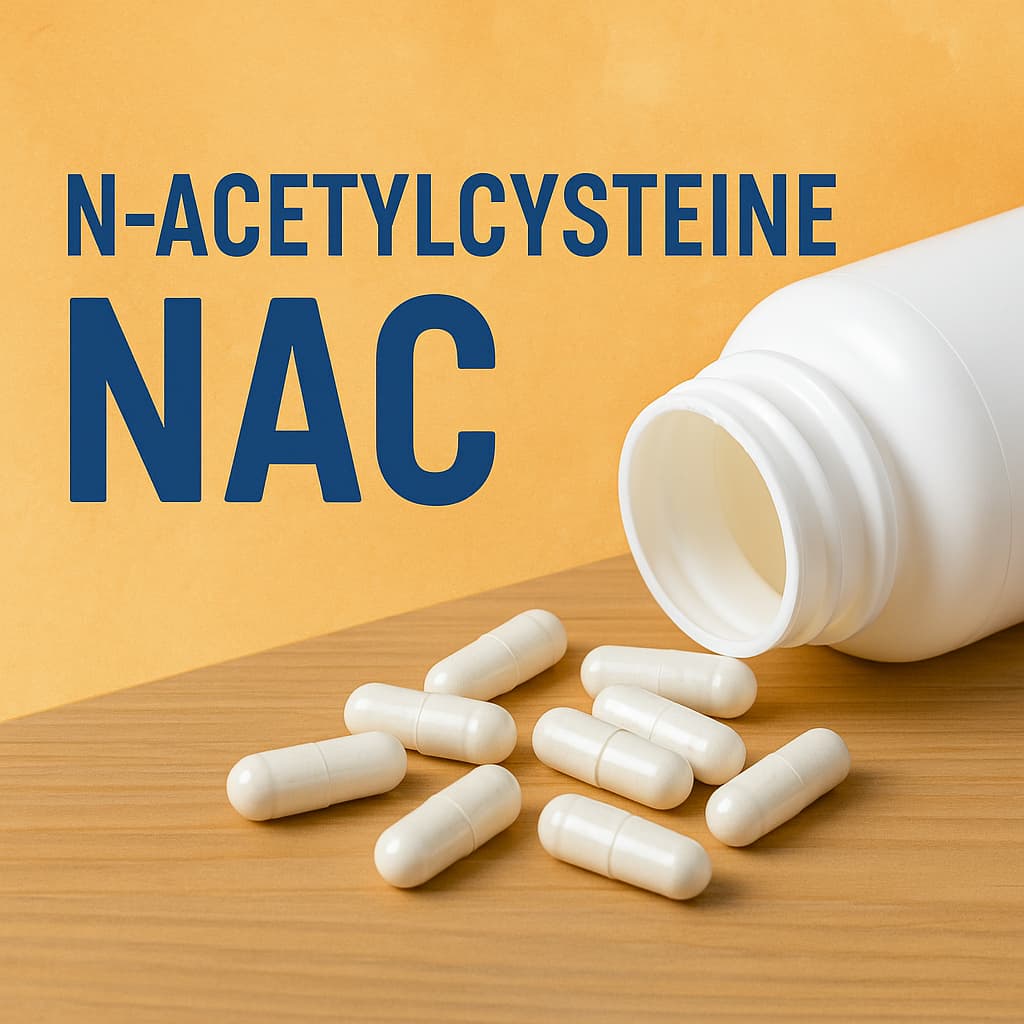
N-acetylcysteine (NAC) is a modified form of the amino acid cysteine. While our bodies naturally produce some cysteine, supplemental NAC provides additional benefits that regular cysteine cannot.
Key functions of NAC:
- Precursor to glutathione (the body's master antioxidant)
- Supports neurotransmitter balance
- Reduces brain inflammation
- Helps regulate repetitive behaviors
- Supports detoxification pathways
The Stanford Study That Changed Everything
The landmark research that put NAC on the map for autism families was published in Biological Psychiatry in 2012. This randomized, double-blind, placebo-controlled trial followed 31 children with autism for 12 weeks.
The Results:
- 77% of children showed improvement in irritability scores
- Significant reduction in repetitive behaviors
- Improved social awareness in many participants
- Well-tolerated with minimal side effects
- Benefits maintained throughout the treatment period
How NAC Works in the Brain
Glutathione Production: NAC is the rate-limiting precursor to glutathione, often called the body's "master antioxidant." Children with autism and ADHD often have lower glutathione levels, which can contribute to:
- Increased oxidative stress
- Poor detoxification
- Heightened inflammation
- Neurotransmitter imbalances
Neurotransmitter Regulation: NAC helps balance neurotransmitters, particularly:
- GABA (calming neurotransmitter)
- Glutamate (excitatory neurotransmitter)
- Dopamine (motivation and reward system)
When these systems are more balanced, children often experience:
- Better emotional regulation
- Reduced anxiety and irritability
- Improved focus and attention
- Less compulsive or repetitive behaviors
Additional Research Supporting NAC
Beyond Autism: ADHD and Behavioral Benefits
Trichotillomania Study (2009): NAC reduced hair-pulling behaviors by 56% compared to placebo.
Adult ADHD Research: Multiple studies show NAC can improve:
- Attention and focus
- Impulse control
- Emotional regulation
- Cognitive flexibility
Obsessive-Compulsive Behaviors: Several studies demonstrate NAC's effectiveness in reducing repetitive, compulsive behaviors across various conditions.
The Oxidative Stress Connection
Research consistently shows that children with autism and ADHD have:
- Higher levels of oxidative stress
- Lower antioxidant capacity
- Impaired detoxification systems
- Chronic low-level inflammation
NAC addresses all of these underlying factors, which may explain its broad benefits for behavioral and cognitive symptoms.
Practical Implementation: Making NAC Work for Your Family
Working with Your Healthcare Provider
Before starting NAC:
- Discuss your child's specific symptoms and goals
- Review current medications (NAC can interact with certain drugs)
- Establish baseline measurements (meltdown frequency, sleep patterns, etc.)
- Determine appropriate dosing based on age and weight
Typical dosing ranges (always follow your doctor's guidance):
- Ages 3-6: 200-400mg daily
- Ages 7-12: 400-800mg daily
- Ages 13+: 800-1200mg daily
Starting Smart: The Gradual Approach
Week 1: Low and Slow
- Start with half the target dose
- Give with food to minimize stomach upset
- Take in the morning (NAC can be energizing for some children)
- Begin your tracking system
Week 2-3: Increase Gradually
- Move to full dose if no adverse effects
- Continue detailed tracking
- Look for subtle improvements in emotional regulation
Week 4+: Evaluate and Adjust
- Assess overall improvements
- Consider timing adjustments if needed
- Discuss findings with your healthcare provider
Tracking Progress: What to Watch For
Create a simple daily log tracking:
- Meltdown frequency and intensity
- Sleep quality and duration
- Focus during homework or activities
- Social interactions and communication
- Energy levels throughout the day
- Any side effects or concerns
Positive changes to look for:
- Faster recovery from upsets
- Better transitions between activities
- Improved frustration tolerance
- Increased flexibility with changes
- Better sleep patterns
- Reduced repetitive behaviors
Optimizing NAC Effectiveness
Timing and Absorption
Best practices:
- Take with food to reduce stomach upset
- Morning dosing works best for most children
- Consider splitting larger doses (morning and afternoon)
- Avoid taking with dairy (can reduce absorption)
Supportive nutrients:
- Vitamin C: Enhances glutathione recycling
- Selenium: Supports glutathione production
- B-complex: Supports methylation pathways
- Magnesium: Supports neurotransmitter function
Dietary Considerations
Foods that support NAC's benefits:
- Sulfur-rich vegetables (broccoli, cauliflower, Brussels sprouts)
- High-quality proteins (grass-fed meat, wild fish)
- Antioxidant-rich fruits (berries, citrus)
- Anti-inflammatory fats (olive oil, avocados, nuts)
Foods to minimize:
- Processed foods high in additives
- Excessive sugar (can increase oxidative stress)
- Trans fats and processed oils
- Food dyes and artificial additives
Frequently Asked Questions
"Is NAC safe for children?"
NAC has been used safely in children for decades, primarily for treating acetaminophen overdose. The doses used for behavioral support are much lower than medical treatment doses. However, always work with a healthcare provider familiar with your child's health history.
"When will I see results?"
Timeline varies:
- Some parents notice changes within days
- Most see improvements after 2-4 weeks of consistent use
- Full benefits often emerge after 6-8 weeks
- Benefits typically require ongoing supplementation
"What side effects should I watch for?"
Common (and usually mild):
- Temporary stomach upset
- Sulfur-like smell to urine (normal)
- Initial increase in energy
- Loose stools (usually resolves)
Rare but concerning:
- Persistent nausea or vomiting
- Severe stomach pain
- Rash or allergic reactions
- Significant mood changes
"Can NAC interact with medications?"
Potential interactions:
- Blood thinners (may increase bleeding risk)
- Nitroglycerin (may enhance effects)
- Some antibiotics (timing may matter)
Always inform all healthcare providers about NAC supplementation.
"Should I try NAC if my child isn't diagnosed with autism?"
NAC's benefits aren't limited to autism. Children with ADHD, anxiety, sensory processing differences, or general emotional regulation challenges may also benefit. The key is working with a knowledgeable healthcare provider to determine if it's appropriate for your child's specific situation.
Creating a Comprehensive Approach
NAC as Part of a Bigger Picture
While NAC can be remarkably helpful, it works best as part of a comprehensive approach that includes:
Environmental modifications:
- Reducing sensory triggers
- Creating predictable routines
- Providing sensory breaks
- Optimizing sleep environment
Nutritional support:
- Stable blood sugar through protein and healthy fats
- Minimizing inflammatory foods
- Ensuring adequate micronutrients
- Supporting gut health
Therapeutic interventions:
- Occupational therapy for sensory needs
- Speech therapy for communication skills
- Behavioral strategies for emotional regulation
- Family education and support
Building Your Support Network
Connect with:
- Healthcare providers experienced with nutritional interventions
- Other families using similar approaches
- Online communities focused on integrative autism/ADHD support
- Local support groups for neurodiverse families
Your Week 3 Action Plan
Monday: Schedule appointment with your child's healthcare provider to discuss NAC Tuesday: Begin meltdown tracking (even without NAC) to establish baseline Wednesday: Research local compounding pharmacies if liquid NAC is needed Thursday: Create a simple daily log system you can actually maintain Friday: Prepare questions for your healthcare provider appointment
Weekend Project: Research NAC brands and formulations (look for third-party tested options)
The Real-Life Parent Takeaway
NAC isn't a magic cure, but for many families, it represents a significant piece of the puzzle in supporting their child's emotional regulation and behavioral challenges. The research is solid, the safety profile is excellent when used appropriately, and the potential benefits are substantial.
Most importantly: You don't have to navigate this alone. The combination of informed healthcare providers, evidence-based interventions like NAC, and supportive community can create real, measurable improvements in your child's daily life.
The bottom line: Small, targeted interventions often create the biggest shifts. Adding NAC to your child's routine could be the difference between surviving each day and actually thriving through it.
Your future self—and your child—deserve that possibility.
Always consult with your child's healthcare provider before starting any new supplement, especially if your child takes medications or has underlying health conditions.
Case Study Corner: Three Families, Three Wins
-
The After-School Storms – A family in our community began NAC for their 9-year-old with ADHD who melted down daily after school. Within five weeks they reported:
- Meltdown duration cut in half (40 minutes → 18 minutes)
- Homework resistance dropped from “red alert” to “mild grumbling”
- Teacher noted improved peer interactions during recess
-
Repetitive Behaviors – A 12-year-old on the spectrum who repeated scripting lines for hours daily saw:
- Noticeable reduction in repetition frequency after 3 weeks
- Increased ability to pause mid-script and respond to questions
- Less anxiety during transitions at school
-
Teen Mood Regulation – A 15-year-old with ADHD and anxiety started NAC alongside therapy:
- Reported feeling “less boiling on the inside” during stress
- Used coping strategies more consistently
- Parents observed calmer sibling interactions
Conversation Starters with Your Medical Team
Use these prompts to keep the discussion collaborative and productive:
- “Based on my child’s history of oxidative stress markers, would NAC be useful support?”
- “What labs, if any, would you like to monitor while we trial NAC?”
- “How might NAC interact with my child’s current medications or supplements?”
- “If we see benefits, how long would you recommend staying on NAC?”
- “If NAC isn’t a fit, what alternative antioxidant supports might you suggest?”
Printable NAC Log Template
| Day | NAC Dose | Mood (AM/PM) | Meltdown Intensity (0-10) | Notes |
|---|---|---|---|---|
| Monday | 200 mg | 6 / 7 | 5 | Needed sensory break after school |
| Tuesday | 200 mg | 7 / 8 | 3 | Quicker recovery after disagreement |
| Wednesday | 300 mg | 8 / 8 | 2 | Teacher emailed positive feedback |
| Thursday | 300 mg | 7 / 6 | 4 | Mild stomach upset at dinner |
| Friday | 300 mg | 8 / 9 | 1 | Transitioned to bedtime calmly |
Feel free to customize the scale or categories to what matters most for your family—sleep quality, school reports, sibling harmony, or homework stamina.
Bonus Tip: Pair NAC with Emotional Coaching
While NAC can calm the neurological storm, kids still need tools for rebuilding after the thundercloud passes. Teach simple scripts they can use when big feelings hit:
- “My body feels hot. I need a sensory break.”
- “Can we switch tasks in five minutes instead of right now?”
- “I’m overwhelmed. I’m going to squeeze my fidgets.”
By combining biochemical support (NAC) with emotional literacy, you give your child a chance to experience calm and learn how to replicate it on their own.
About the Author
The MethylMagic editorial team researches and writes evidence-based articles on methylation, MTHFR gene variants, and family nutrition, referencing peer-reviewed studies and clinical guidelines.
Join Our Community 🌟
Get practical methylation & supplement tips, weekly science-backed nutrition insights, and early access to new guides—written for busy parents who want real answers.
No spam. Unsubscribe anytime. 💜
Comments
0 comments
No comments yet. Be the first to share.