The Broccoli Hack That Could Actually Help Your Child Focus
My daughters treat broccoli like betrayal. Broccoli sprouts? Different story. They're invisible in smoothies, and apparently, they're the Beyoncé of veggies.
The Hidden Superfood Your Kids Will Actually Eat
If getting your child to eat vegetables feels like negotiating with tiny terrorists, you're not alone. But what if I told you there's a vegetable so powerful that just a small amount could potentially improve your child's focus, reduce irritability, and support their brain development—and they won't even taste it?
Enter broccoli sprouts: the stealth superfood that's about to become your secret weapon.
Why Broccoli Sprouts Beat Regular Broccoli (By a Mile)
The Sulforaphane Advantage
Broccoli sprouts contain 50-100 times more sulforaphane than mature broccoli. Sulforaphane is a potent compound that acts like a master switch for your body's detoxification and protective systems.
Think of sulforaphane as your child's cellular bodyguard—it:
- Activates the Nrf2 pathway (your body's main detox system)
- Reduces inflammation in the brain
- Supports mitochondrial function (cellular energy production)
- Protects against oxidative stress
- May improve neurotransmitter function
Size Matters (In a Good Way)
While a cup of broccoli might provide a modest amount of sulforaphane, just 1-2 tablespoons of broccoli sprouts deliver the same protective benefits. This makes them perfect for:
- Picky eaters who reject vegetables
- Small stomachs that get full quickly
- Stealth nutrition (hiding in other foods)
- Busy families who need nutrition efficiency
The Johns Hopkins Game-Changer Study
Groundbreaking Research Results
A landmark 2014 study published in Proceedings of the National Academy of Sciences followed 44 young men with autism spectrum disorder for 18 weeks. Half received sulforaphane supplements, half received placebo.
The results were remarkable:
- Significant improvement in social interaction scores
- Reduced irritability and aggression
- Better communication abilities
- Improvements maintained throughout the treatment period
- Effects diminished when treatment stopped (suggesting ongoing benefits require consistent intake)
What This Means for Your Child
While this study focused on autism, the mechanisms sulforaphane targets are relevant for all children, especially those with:
- ADHD and attention difficulties
- Sensory processing issues
- Mood regulation challenges
- Learning differences
- High stress or anxiety
The brain-protective and anti-inflammatory effects of sulforaphane support optimal neurological function regardless of diagnosis.
My Smoothie Sunday Experiment
The Setup
One Sunday morning, feeling desperate after another week of veggie battles, I decided to run a stealth nutrition experiment. I had just learned about broccoli sprouts and figured I had nothing to lose.
The Ingredients:
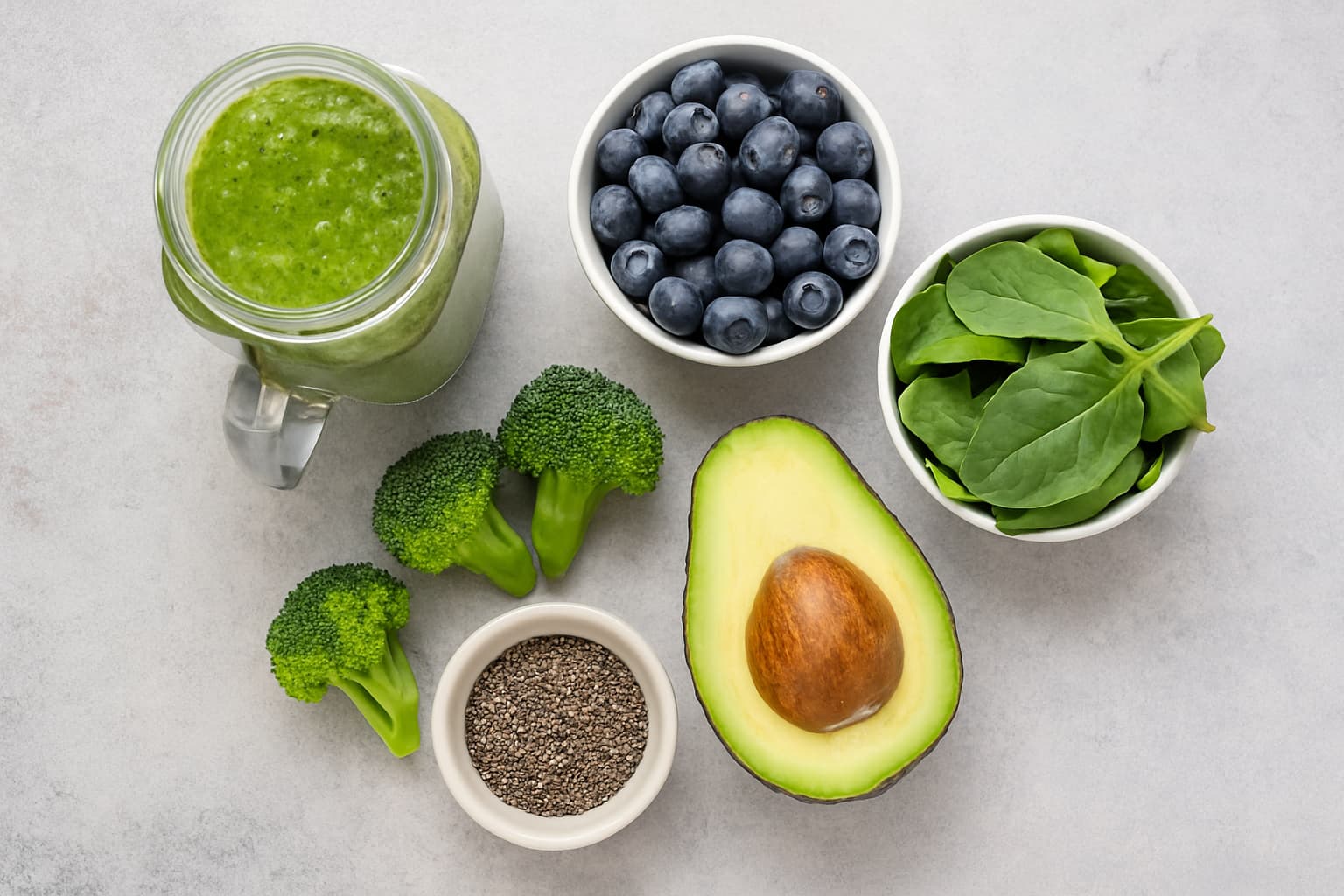
- 1 cup frozen mixed berries
- 1 banana
- 1 cup vanilla Greek yogurt
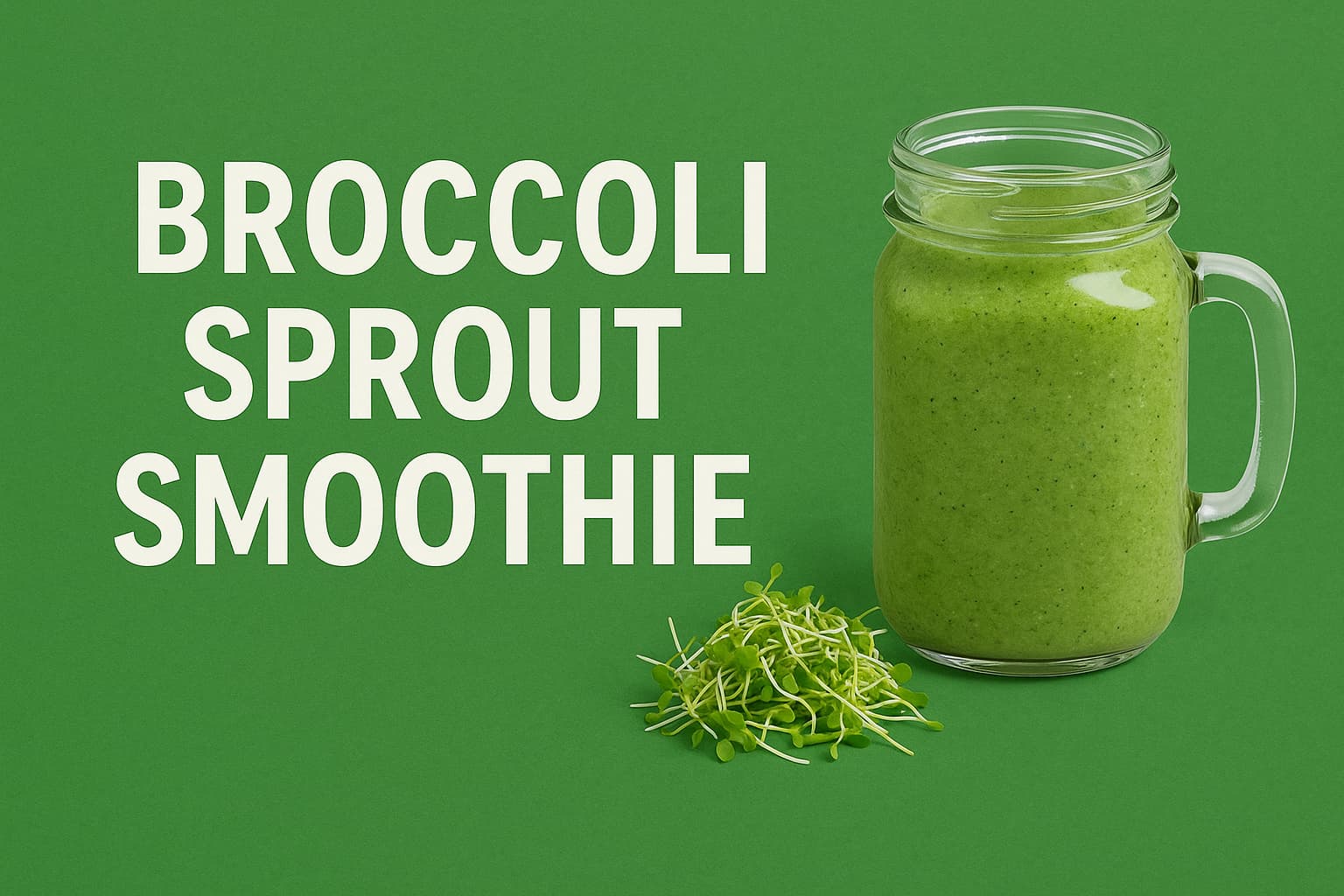
- 1 tablespoon broccoli sprouts (fresh from the health food store)
- Splash of orange juice
- Ice
The Results
Immediate outcome: Nobody noticed. The berry flavor completely masked any hint of "green" taste.
Unexpected discovery: About 2 hours later, my typically scattered 8-year-old looked up from her math worksheet and said, "Mom, I feel like I can actually think today. Like, my brain feels awake."
The pattern: Over the next two weeks, I noticed:
- Better morning focus during homework
- Fewer emotional meltdowns before lunch
- Improved ability to transition between activities
- More stable energy levels throughout the day
Could this have been coincidence? Absolutely. But the timing aligned perfectly with emerging research on sulforaphane's cognitive benefits.
The Science Behind the Magic
How Sulforaphane Works in the Brain
Nrf2 Activation: Sulforaphane flips the switch on Nrf2, often called the "master regulator" of cellular defense. When activated, Nrf2 tells your cells to:
- Produce more antioxidant enzymes
- Improve detoxification pathways
- Reduce inflammation
- Protect against cellular damage
Neuroinflammation Reduction: Chronic low-level inflammation in the brain can affect:
- Attention and focus
- Mood regulation
- Learning and memory
- Social interaction
- Sensory processing
Sulforaphane helps cool this inflammation, potentially improving all these areas.
Mitochondrial Support: Brain cells are energy-hungry. Sulforaphane supports mitochondrial function, ensuring brain cells have the fuel they need for optimal performance.
Practical Implementation: Making It Work in Real Life
The Invisible Integration Method
Week 1: Smoothie Stealth
- Add 1 tablespoon fresh broccoli sprouts to berry smoothies
- The key is strong flavors: berries, citrus, vanilla
- Start small—even 1 teaspoon provides benefits
Week 2: Sandwich Secrets
- Sprinkle sprouts on sandwiches under cheese or other toppings
- Mix into chicken or tuna salad
- Add to wraps with strong flavors like hummus or ranch
Week 3: Creative Combinations
- Blend into homemade pesto
- Mix into meatballs or meatloaf
- Stir into pasta salad
- Top pizza (add after cooking to preserve nutrients)
Growing Your Own (Game-Changer Alert)
Why grow your own:
- 10x cheaper than buying fresh sprouts
- Always have them on hand
- Takes only 3-5 days from seed to harvest
- Kids love watching them grow (and are more likely to eat what they help grow)
Simple sprouting method:
- Soak broccoli seeds overnight
- Drain and rinse
- Place in a jar with cheesecloth lid
- Rinse and drain twice daily
- Harvest in 3-5 days when green leaves appear
Frequently Asked Questions
"Will my child taste them?"
In smoothies: Absolutely not. The berry-citrus combination completely masks any vegetable taste. In other foods: Start with small amounts mixed into strongly flavored foods.
"Are they safe for children?"
Yes, when used appropriately. Broccoli sprouts are simply baby broccoli plants. However:
- Start with small amounts (1 teaspoon for younger children)
- Buy from reputable sources to avoid contamination
- Rinse thoroughly before use
- Consult your pediatrician if your child has specific health conditions
"How much should I give?"
Age-based guidelines:
- Ages 2-5: Start with 1 teaspoon daily
- Ages 6-12: Work up to 1 tablespoon daily
- Ages 13+: 1-2 tablespoons daily
"When will I see results?"
Timeline varies:
- Some parents report changes within days
- Most notice differences after 1-2 weeks of consistent use
- Benefits may be subtle—look for improvements in mood, focus, and energy stability
"What if I can't find fresh sprouts?"
Alternatives:
- Frozen broccoli sprouts (less potent but still beneficial)
- Sulforaphane supplements (consult healthcare provider)
- Growing your own (most cost-effective long-term)
The Bigger Picture: Building Neuroprotective Habits
Beyond Just Sprouts
While broccoli sprouts are powerful, they work best as part of a comprehensive approach:
Other sulforaphane-rich foods:
- Watercress
- Arugula
- Bok choy
- Brussels sprouts
- Radishes
Supportive nutrients:
- Omega-3 fatty acids (fish, walnuts, flax)
- Magnesium (leafy greens, nuts, seeds)
- B vitamins (especially folate and B12)
- Vitamin D (sunlight, fatty fish, supplementation)
Creating Sustainable Change
Start small: Even 1 teaspoon of sprouts provides benefits Be consistent: Daily intake works better than large occasional doses Make it enjoyable: Find delivery methods your child actually likes Track changes: Keep a simple log of mood, focus, and behavior patterns
Your Week 2 Action Plan
Monday: Source fresh broccoli sprouts from your local health food store Tuesday: Try the basic berry smoothie recipe Wednesday: Experiment with adding sprouts to a sandwich or wrap Thursday: Research sprouting supplies if you want to grow your own Friday: Note any changes in your child's mood, focus, or energy levels
Weekend Project: Set up a simple sprouting system and start your first batch
The Real-Life Parent Takeaway
You don't need perfect vegetables or elaborate meal plans to give your child powerful brain-protective nutrients. Sometimes the most potent interventions come in the smallest, most unexpected packages.
Broccoli sprouts represent a perfect example of working smarter, not harder. Two tablespoons of these tiny greens provide more protective compounds than cups of regular vegetables—and your child won't even know they're eating them.
The bottom line: Small, consistent actions compound over time. Adding broccoli sprouts to your child's routine could be one of the easiest, most effective ways to support their cognitive development and emotional regulation.
Your future self (and your child's teacher) will thank you.
Seven-Day Sprout Challenge (Printable!)
| Day | Goal | Reality Check | Kid-Friendly Script |
|---|---|---|---|
| Monday | Smoothie + 1 tsp sprouts | Forgot? Stir into bedtime yogurt. | “Let’s give your brain a superhero sip.” |
| Tuesday | Sandwich sprinkle | Hide under cheese if needed. | “These crunchy sprouts make it fancy.” |
| Wednesday | Add to soup after serving | Works with ramen, chicken soup, tomato. | “Sprouts are like confetti for dinner.” |
| Thursday | Mix into rice or quinoa bowl | Stir in right before serving. | “Guess the secret ingredient!” |
| Friday | DIY sprout jar set-up | Let your child rinse the jar. | “These seeds become brain fuel in 3 days.” |
| Saturday | Make sprout pesto | Blend with basil, lemon, olive oil. | “Green pasta = Hulk strength.” |
| Sunday | Reflect on changes | Jot down energy/mood notes. | “How did your brain feel this week?” |
Sensory Support Strategies
Some kids balk at new textures. Try these sensory-friendly tactics:
- Crunch lovers: Lightly toast sprouts in the oven for 3 minutes; they retain nutrients but gain texture.
- Texture-sensitive kids: Blend sprouts with a teaspoon of avocado in a smoothie—zero detectable bits.
- Super smellers: Rinse sprouts in cold water, then pat dry to reduce the peppery aroma.
- Visual avoiders: Puree sprouts with mild fruits (pear, apple) and freeze in silicone trays for stealth additions.
Quick Sprout Troubleshooting
| Challenge | Try This | Why it Works |
|---|---|---|
| Mold during sprouting | Increase airflow, rinse with cool water twice daily, switch to filtered water | Keeps environment clean and oxygenated |
| Child refuses smoothie | Start with ½ teaspoon sprouts, add banana + cocoa powder | Masks flavor while building tolerance |
| Out of fresh sprouts | Keep shelf-stable broccoli sprout powder as backup | Still provides glucoraphanin, the sulforaphane precursor |
| Sensitive stomach | Serve sprouts with protein/fat (yogurt, nut butter) and start slowly | Prevents digestive upset |
When to Consider Professional Guidance
While broccoli sprouts are food, not medicine, partner with your care team if your child:
- Has thyroid concerns (raw crucifers can impact iodine absorption—lightly steaming sprouts neutralizes this)
- Takes blood thinners (vitamin K in sprouts can interact)
- Has a history of histamine intolerance (sprouts can be a trigger for some kids)
- Struggles with FPIES or other food protein allergies
A dietitian or functional doctor can tailor dosing, suggest lab tracking, and coordinate with other therapies.
Share the Wins
Celebrate every small success out loud. “Hey, you finished your smoothie and powered through math without breaking a sweat!” Kids need to connect the dots between how food makes them feel and the choices they make. Keep progress visible—use a sticker chart, jot observations on the fridge, or record a quick voice memo together at the end of the week.
Always consult with your child's healthcare provider before making significant dietary changes, especially if they have food allergies, medical conditions, or take medications.
Join Our Community 🌟
Get practical methylation & supplement tips, weekly science-backed nutrition insights, and early access to new guides—written for busy parents who want real answers.
No spam. Unsubscribe anytime. 💜
Comments
0 comments
No comments yet. Be the first to share.