The Antioxidant Secret Every Parent Should Know (Before Back-to-School Chaos)
Ever feel your kid's brain runs out of battery halfway through math homework? By 3 p.m., my girls go from cartwheels to couch puddles. That's oxidative stress—cellular wear-and-tear—that drains their brains faster than my phone on TikTok.
The Parent's Dilemma: Why Kids "Crash" After School
If you've ever wondered why your energetic morning child transforms into a cranky, unfocused mess by afternoon, you're not alone. The culprit isn't just sugar crashes or school stress—it's something called oxidative stress, and it's happening at the cellular level in your child's developing brain.
What is Oxidative Stress?
Think of oxidative stress like rust forming on metal, but inside your child's cells. When their little bodies process energy, create thoughts, and handle daily stressors, they produce "free radicals"—unstable molecules that can damage healthy cells.
In neurotypical children, this process is manageable. But research shows that kids with ADHD, autism, and other neurodevelopmental differences experience significantly higher levels of oxidative stress, particularly in brain tissue.
The Science Behind the Afternoon Meltdown
Research That Changes Everything
A groundbreaking study published in Scientific Reports found that children with ADHD showed:
- 40% higher oxidative stress markers in their blood
- Reduced antioxidant enzyme activity compared to neurotypical peers
- Direct correlation between oxidative stress levels and attention difficulties
But here's the hopeful part: The same research showed that increasing antioxidant intake could significantly improve these markers.
How Oxidative Stress Affects Your Child's Brain
When oxidative stress builds up in brain cells, it affects:
- Neurotransmitter production (the brain's communication system)
- Mitochondrial function (cellular energy factories)
- Neural connectivity (how brain regions talk to each other)
- Working memory (holding information while using it)
This explains why your child might start the day sharp and focused but struggle to remember simple instructions by 3 p.m.
Storytime: The Goldfish Experiment
Last September, I packed my daughter's lunchbox with the usual suspects: Goldfish crackers, juice box, and a granola bar. By 3 p.m., she would melt down like Elsa on a hot day—tears over homework, fights about simple tasks, complete emotional dysregulation.
Out of desperation (and some new research I'd been reading), I decided to run an experiment. Week two of school, I swapped out her snacks:
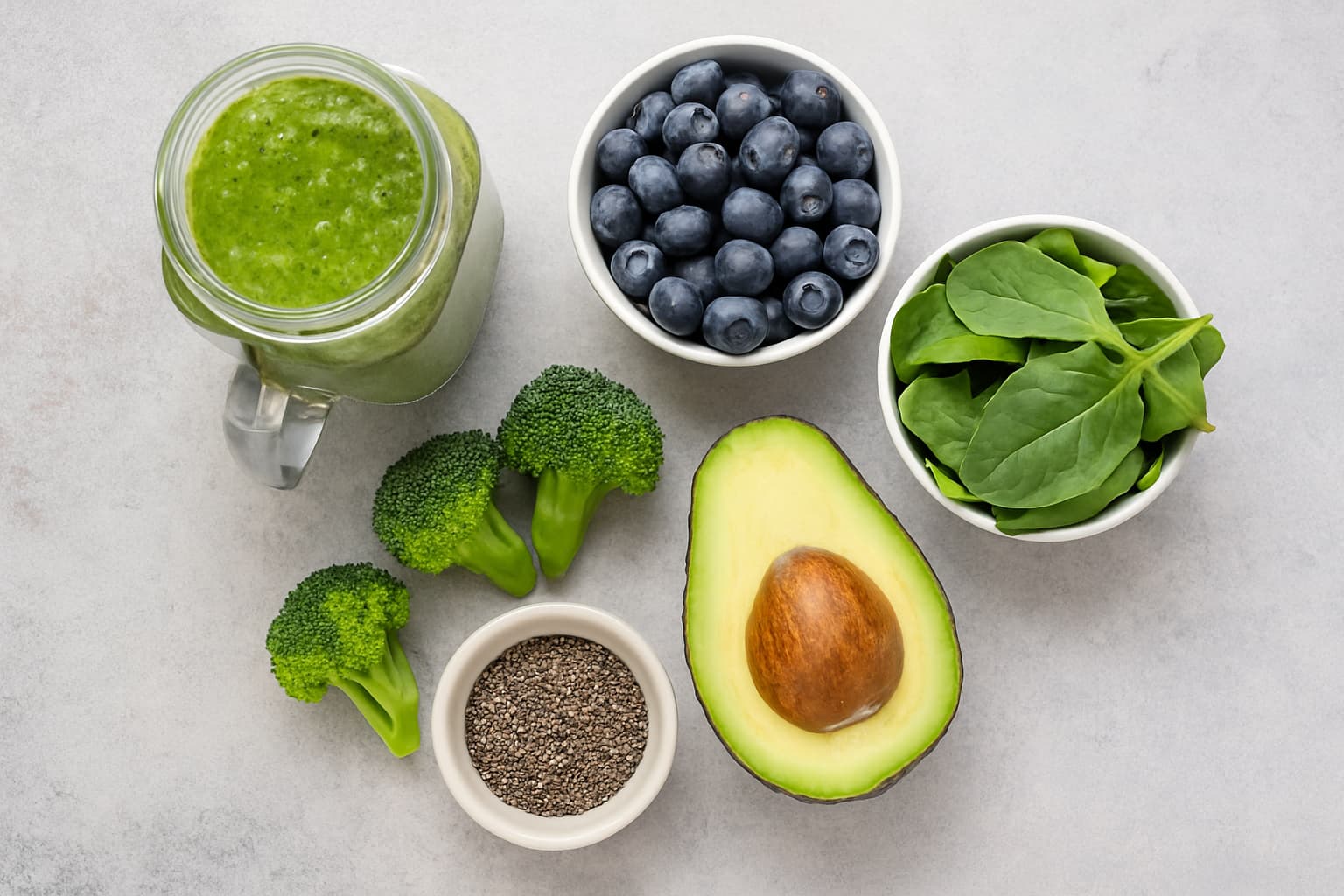
- Instead of Goldfish: Blueberries and almonds
- Instead of juice: Water with a splash of 100% orange juice
- Instead of granola bar: Apple slices with almond butter
Same kid, completely different ending. She not only finished homework without tears but actually had energy left for outdoor play.
The Antioxidant Arsenal: Foods That Fight Brain Fog
Tier 1: The Heavy Hitters
These foods pack the most antioxidant punch per serving:
Berries (The MVPs)
- Blueberries: Contain anthocyanins that cross the blood-brain barrier
- Blackberries: High in vitamin C and fiber
- Strawberries: Rich in folate, crucial for neurotransmitter production
Colorful Vegetables
- Red bell peppers: More vitamin C than oranges
- Purple cabbage: Anthocyanins plus glucosinolates
- Sweet potatoes: Beta-carotene for brain protection
Tier 2: The Supporting Cast
Nuts and Seeds
- Walnuts: Omega-3s plus vitamin E
- Pumpkin seeds: Zinc for neurotransmitter function
- Sunflower seeds: Vitamin E and magnesium
Citrus Fruits
- Oranges: Vitamin C plus flavonoids
- Grapefruits: Lycopene and vitamin A
- Lemons: Citrus bioflavonoids
The Implementation Strategy: Making It Actually Work
Week 1: The Stealth Approach
Start where your child won't notice the change:
- Add frozen berries to pancakes or muffins
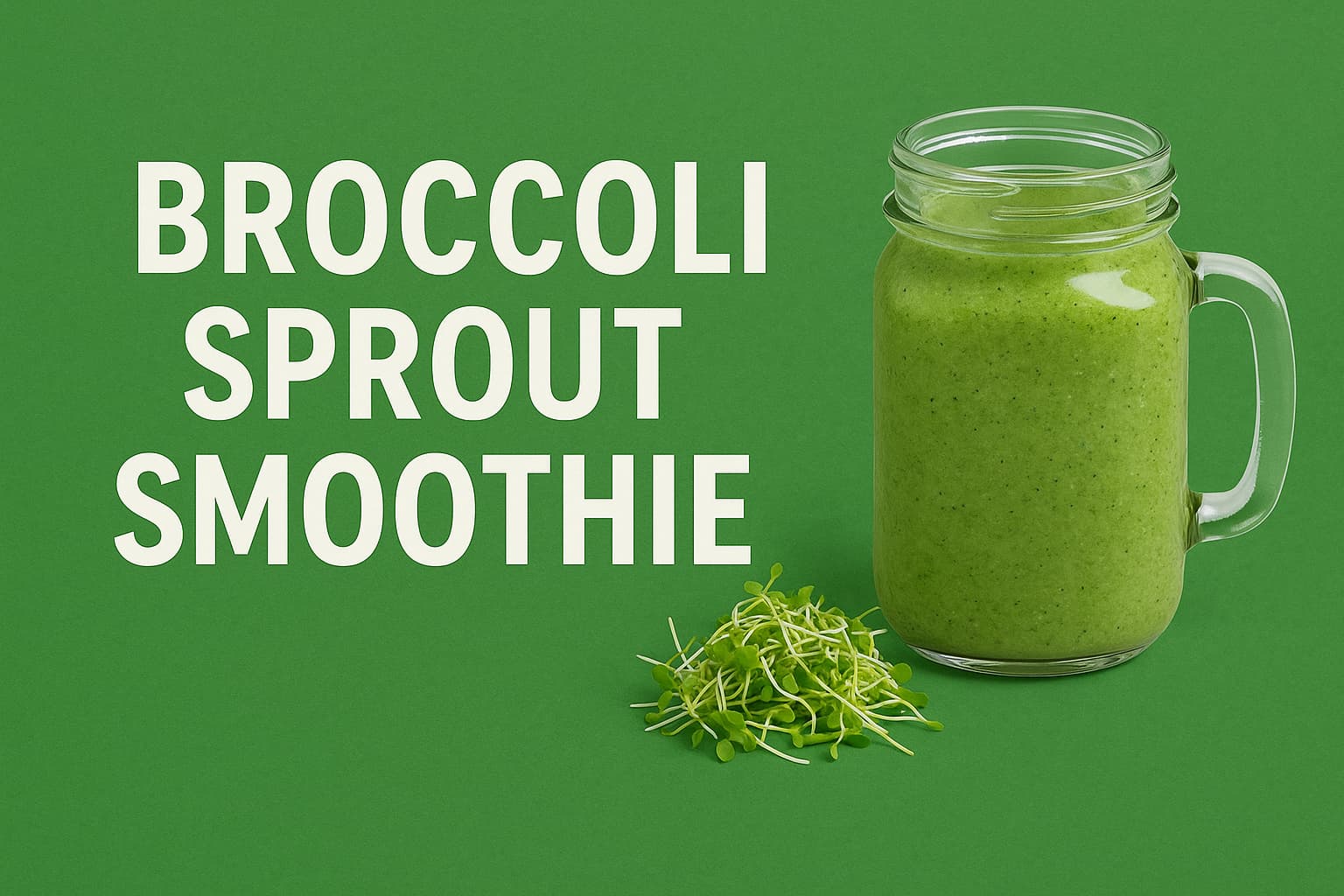
- Blend spinach into fruit smoothies (they won't taste it, promise)
- Serve orange slices alongside their regular snacks
Week 2: The Obvious Swaps
- Replace one processed snack with fresh fruit
- Add colorful vegetables to familiar dishes
- Introduce "rainbow challenges" (eat 5 different colors per day)
Week 3: The Advanced Moves
- Involve kids in meal prep (they're more likely to eat what they help make)
- Create antioxidant-rich snack stations they can access independently
- Start introducing new foods alongside familiar favorites
Frequently Asked Questions (Because I Know You're Thinking It)
"But my kid hates fruit!"
Start with smoothies. Frozen berries hide beautifully in yogurt or milk-based smoothies. Add a banana for sweetness and some vanilla extract. Most kids can't tell there are blueberries in there.
Try the "dessert" approach: Frozen grapes taste like popsicles. Berry-based "nice cream" (frozen fruit blended until creamy) feels like a treat.
"Isn't this just more sugar?"
Not the same at all. Fruit sugar (fructose) comes packaged with:
- Fiber that slows absorption
- Antioxidants that protect cells
- Vitamins and minerals for overall health
- Water for hydration
Compare this to processed snacks, which deliver sugar without any protective nutrients.
"What if I forget or don't have time?"
Prep is everything:
- Wash and cut fruit on Sunday for the week
- Pre-portion nuts and seeds into small containers
- Keep frozen berries on hand for emergency smoothies
- Stock up on shelf-stable options like dried fruits (no sugar added)
"How do I know if it's working?"
Watch for these changes over 2-4 weeks:
- Better afternoon mood regulation
- Improved focus during homework time
- More stable energy levels throughout the day
- Better sleep quality
- Fewer emotional meltdowns
The Bigger Picture: Building Antioxidant Habits
Beyond Just Food
While nutrition is crucial, supporting your child's antioxidant system also includes:
- Adequate sleep (7-11 hours depending on age)
- Regular physical activity (boosts natural antioxidant production)
- Stress management (chronic stress depletes antioxidants)
- Limiting processed foods (they increase oxidative stress)
The Compound Effect
Small, consistent changes build over time. You're not just feeding your child a snack—you're:
- Supporting their developing nervous system
- Building healthy food preferences that last a lifetime
- Teaching them to tune into how food makes them feel
- Creating positive associations with nutritious choices
Your Action Plan for This Week
Monday: Add berries to breakfast (smoothie, yogurt, or cereal) Tuesday: Pack colorful veggies in the lunchbox (bell pepper strips, cherry tomatoes) Wednesday: Introduce a new antioxidant-rich snack (try roasted chickpeas or trail mix) Thursday: Make a rainbow salad together (let them choose the colors) Friday: Celebrate the week with a homemade fruit-based dessert
Weekend: Prep antioxidant-rich snacks for the following week
The Real-Life Mom Takeaway
Other parents are quietly making these swaps and seeing real results. Don't let your child be the only one still struggling with afternoon crashes while their classmates maintain steady energy and focus.
This isn't about perfection or completely overhauling your family's diet overnight. It's about strategic, science-backed changes that support your child's unique neurological needs.
Start small. Stay consistent. Watch the magic happen.
Your child's brain will thank you, their teacher will notice the difference, and you'll finally have those peaceful homework sessions you've been dreaming about.
Remember: Always consult with your child's healthcare provider before making significant dietary changes, especially if they have medical conditions or take medications that might interact with certain foods or supplements.
School-Day Antioxidant Roadmap
If you’re wondering how to translate all of this into a real school schedule, here’s a practical roadmap that mirrors what we use in our home.
Morning Launch (6:30–8:00 a.m.)
- Hydration first – a small glass of water with a squeeze of lemon to wake up the gut and deliver a quick dose of vitamin C.
- Power breakfast combo – aim for protein + healthy fat + color. A go-to plate for us: scrambled eggs with spinach, strawberries on the side, and a slice of whole-grain toast with almond butter.
- Supplement support – if your practitioner agrees, morning is a great time for a kids’ multivitamin with extra antioxidants such as vitamins C and E, plus a methylated B-complex.
Lunchbox Blueprint
| Slot | What to Pack | Why it Matters |
|---|---|---|
| Main | Turkey + spinach roll-ups on whole-grain tortilla | Lean protein supports dopamine production |
| Color Pop | Rainbow bell pepper strips + hummus | Vitamin C, beta-carotene, and fiber |
| Crunch | Trail mix (walnuts, pumpkin seeds, freeze-dried raspberries) | Vitamin E, zinc, and shelf-stable antioxidants |
| Hydration | Water bottle with citrus slices | Keeps blood sugar steady and tastes fun |
| Sweet treat | Homemade blueberry-oat mini muffins | Keeps dessert exciting without processed dyes |
After-School Recharge (3:30 p.m.)
Instead of a sugar rush, we do a “brain bowl”: Greek yogurt swirled with frozen cherries, chia seeds, and a drizzle of honey. Pair it with a 10-minute movement break—trampoline, jumping jacks, hallway sprints—to increase blood flow and oxygen, which helps antioxidants do their job.
Evening Wind-Down
Dinner always includes two colorful vegetables and a healthy fat. A weeknight hit at our house is sheet-pan salmon with roasted Brussels sprouts and sweet potato wedges. Salmon brings glutathione support, while cruciferous veggies activate key detox enzymes (shoutout to sulforaphane in sprouts).
Science Spotlight: Lab Markers Worth Discussing
If you’re working with a functional or integrative practitioner, ask about lab tests that reflect oxidative stress and antioxidant status:
- Glutathione (reduced/oxidized ratio) – a primary antioxidant marker; low levels often correlate with attention challenges.
- 8-OHdG (8-hydroxy-2'-deoxyguanosine) – indicates DNA oxidative damage.
- CRP-hs (high-sensitivity C-reactive protein) – inflammation marker that often rises with oxidative stress.
- Vitamin D and zinc levels – both are cofactors for antioxidant enzymes like superoxide dismutase.
Tracking these before and after nutritional interventions can provide concrete feedback and keep older kids motivated (“Look, your superhero cells are winning!”).
Weekly Antioxidant Challenge Chart
Kids (and adults) love a competitive nudge. Print a simple chart with columns for each color of the antioxidant rainbow: red, orange, yellow, green, blue/purple, white/tan. Every time your child eats a serving, they get to color in a square. Set a family reward for hitting 25 squares in a week—maybe a weekend hike, a new art set, or picking the movie night selection.
Myth vs. Fact
-
Myth: “Juice counts as fruit.”
Fact: Juice gives you sugar without fiber. Whole fruit or smoothies that retain the pulp protect against blood sugar swings and keep antioxidants intact. -
Myth: “My child won’t touch vegetables, so this is impossible.”
Fact: Taste buds evolve. Repeated gentle exposure (10–15 tries) increases acceptance. Pair new veggies with dips, roast them for sweetness, or slice them into fun shapes. -
Myth: “Supplements alone are enough.”
Fact: Supplements can help fill gaps, but real food provides synergistic nutrients—phytonutrients, fiber, and enzymes—that pills can’t replicate.
When You Need a Reset
If you fall off the wagon (hello, chaotic weeks), resist the urge for all-or-nothing thinking. Pick one simple upgrade—maybe reintroduce the antioxidant smoothie at breakfast—and build from there. Our family has had plenty of “mac and cheese nights.” What matters is the trend line over months, not one off week.
Quick Conversation Starters for Kids
Curious kids like to know “why.” Try these prompts:
- “Did you know blueberries are like raincoats for your brain cells?”
- “Let’s see which color gives you the most superhero points today.”
- “Want to help me invent a new lunchbox rainbow? You pick the red food; I’ll pick the green.”
Talk to Your Care Team
Always loop your pediatrician or nutritionist into big changes. Share your game plan, especially if your child is on medication that alters appetite. Many practitioners are thrilled when parents take the lifestyle route seriously and can offer tailored advice or lab monitoring.
Bottom line: Antioxidant-rich eating isn’t about perfection. It’s about giving your child’s brain the raw materials to stay calm, focused, and resilient in a world that asks a lot of them. Start with one colorful swap this week. Your future self—and your child’s future nervous system—will be grateful.
Join Our Community 🌟
Get practical methylation & supplement tips, weekly science-backed nutrition insights, and early access to new guides—written for busy parents who want real answers.
No spam. Unsubscribe anytime. 💜
Comments
0 comments
No comments yet. Be the first to share.